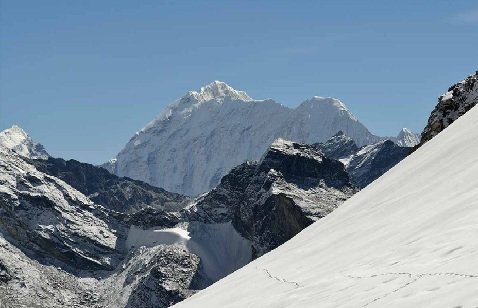
The Everest region is one of those rare destinations in the world where extreme adventure and high end accessibility coexist. The area has changed into a varied vacation spot that appeals to not just trekking and climbing enthusiasts but also photographers and luxurious travelers as well. It is a unique escape where you can walk for days through high-altitude trails, climb technical Himalayan peaks or witness the same mountains in a matter of hours from the comfort of a helicopter or scenic flight.
Trekking adventures such as the iconic Everest Base Camp trek, the Three Passes Trek and the Gokyo Lakes trek have made the region famous. These treks take you into the villages of the Sherpa people with ancient traditions, vast glaciers, suspension bridges, and stunning Himalayan scenery. These treks range from moderate to highly challenging, demanding physical endurance, acclimatization, and multi-day commitment, but they remain the most immersive way to experience the region’s scale and cultural depth.
For those interested in moving up the ladder of adventure from trekking, peak climbs such as Island Peak and Lobuche East will provide mountaineering basics. If you want to move forward into larger and more complex Himalayan expeditions, the summit of Cho Oyu, Ama Dablam and Everest test your skills and endurance to the core.
Everest is much easier to experience now because of the scenic helicopter tours. It offers a completely different perspective of the Himalayas from a unique bird’s eye angle. You can now see the Everest region in all its glory through flights within just a day. You will catch the fantastic 360 degree vistas of Everest, Lhotse, Makalu, Pumori, Nuptse and surrounding peaks without the need for any exertion at all.
The Everest Base Camp Helicopter Tour has made the Himalayas accessible even to families, senior travelers, and people looking for luxury. Whether you choose to engage with the world’s highest mountains on foot or in a helicopter, it is a possible experience for almost everyone.
How to Choose the Right Everest Experience
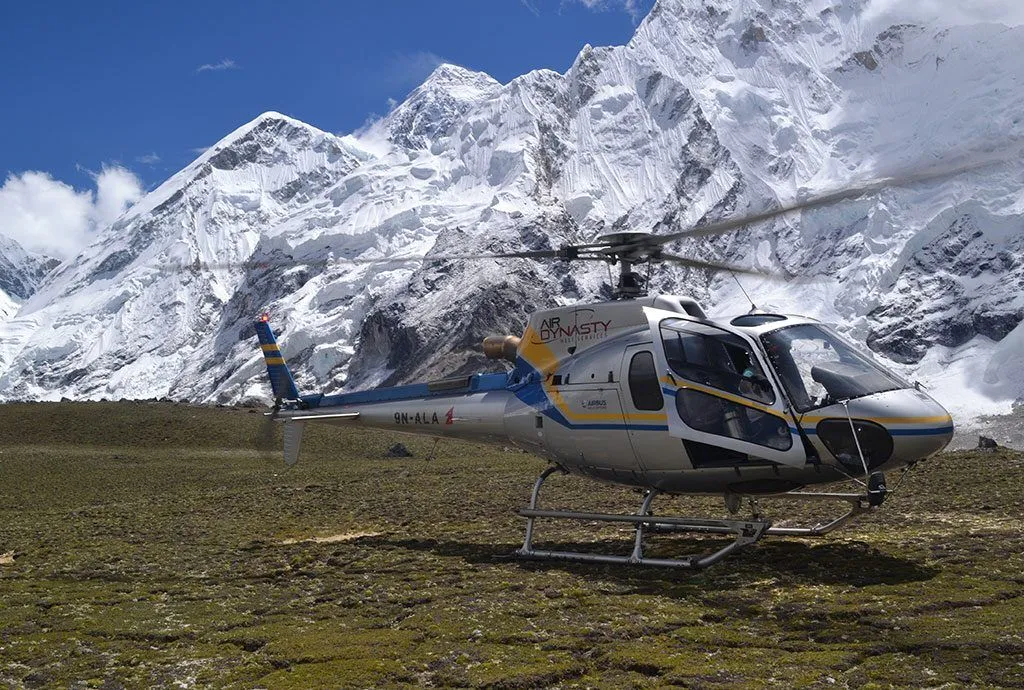
The selection of an appropriate Everest adventure should be made based on several criteria, with fitness being the first one. For those who have no previous climbing experience and travel only for recreation, flights over Mt. Everest or helicopter tours to the Everest region and introductory treks offering Himalayan panoramas with minimal exertion would be the best choices.
Those with medium fitness can go for the classical tours of the Everest Base Camp trek and the Gokyo Lakes trek. The Three Passes trek, climbing to trekking peaks, and full scale expeditions like Everest, Lhotse, Ama Dablam, Cho Oyu etc are for experienced adventurers only. If you want a mix of ground and aerial experience of the region, then the Everest Base Camp Trek with a helicopter return is the ideal option.
Another key determinant is time, which plays a huge role in defining the kind of experience you will have. For example, helicopter flights take about half a day, the Everest Base Camp Trek takes anywhere between 12 and 14 days, trekking peak expeditions take about 16 to 20 days, and the full scale mountaineering expeditions last anywhere between 6 and 9 weeks.
Money is another critical aspect to consider. You can choose the experiences ranging from budget-friendly group or teahouse treks, mid-range trekking or peak climbing packages or high-end helicopter flights, luxury lodge stays, and VIP expedition services.
Adventure goals are another consideration to make like cultural immersion, physical challenge, photography opportunities, luxury comfort, mountaineering progression, or a bucket-list achievement.
When all these factors are taken into account, deciding on the perfect Everest experience becomes easy.
Essential Tips Before Visiting the Everest Region
Prepare for Altitude
Altitude is perhaps the most important aspect to consider when undertaking adventures in the high Himalayas. Altitude sickness can affect even the fittest individuals.
To minimize risks trekkers should gradually increase their elevation, have sufficient acclimatization days, drink plenty of water, avoid alcoholic beverages and listen closely to the advice of professional trekking guides.
Simple practices such as these will go a long way in promoting safety and adapting well to high altitudes.
Select the Optimal Seasons
The best periods to travel in the Everest region are either before monsoon (March-May) or posr monsoon autumnn season (September-November). This period will guarantee good weather, clear skies and sharp visibility of the Himalayan peaks.
In addition, there will be no rainfall, snowfall, or extreme cold, thus making the high altitude journeys safe and comfortable for adventurers.
Book with Reputable Providers
Choosing an appropriate provider of adventure or expedition services is crucial to guarantee safety, efficiency, and effective organization of the trip.
In addition, a professional agency will provide you with logistical services, adequate acclimatization plans, skilled guides, help in case of emergencies, and a great deal of knowledge about the Khumbu area culture.
All these factors become especially important when it comes to climbing or trekking on this remote Himalayan region.
