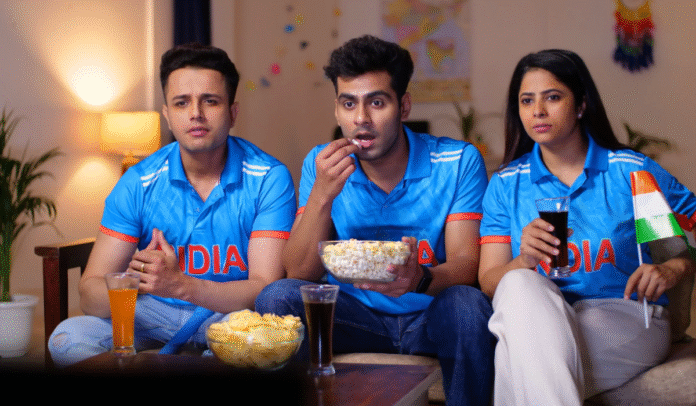
A single phone now organizes most urban days. The same device that finds coffee close to the office, books weekend tickets, and maps a new walking route also streams live cricket when the city slows down. When nearby plans, payments, and match feeds run through one screen, layout and habits decide whether the day feels supported or scattered. A thoughtful routine lets local experiences stay in front, while cricket becomes a steady companion instead of a constant interruption.
Planning Evenings When the Match Is On
City weekends often start with a quick search for new spots – open-air events, late street food, or quiet corners for friends to sit and talk. People check distance, opening hours, reviews, and transit options before committing. During tournament weeks, another layer appears. Schedules are quietly filtered by first ball, innings break, or likely finish time. A rooftop place with a screen draws one group, while another prefers a café where the match stays on a smaller display in the background. The plan still begins with “what is nearby and easy to reach,” yet cricket slips into the filtering logic as naturally as price range or cuisine.
Payment flows join that puzzle. Many visitors want to reserve a table, buy metro credit, and sort small match-night expenses without jumping between too many interfaces. When a live-cricket hub supports simple microtransactions, it becomes part of that broader stack. Viewers might check the feed, glance at a form, and use a quick option labeled as desi pay to settle an add-on or unlock a higher-quality stream while keeping most of the planning work inside local discovery tools. The movement stays calm because each step feels like a continuation of the same evening plan rather than a separate chore.
How Nearby Ideas and Live Scores Share Attention
A screen that balances discovery and cricket must respect attention spans. When maps, recommendations, and live scores compete for the same space, the easiest tap usually wins. A layout that places “things to do near me” content at the center and keeps the match in a tidy panel or secondary tab protects that balance. Users can explore galleries, check directions, and confirm closing times, then open the live card for a quick look at the current chase before returning to route details.
Notification settings become a quiet form of traffic control. Location alerts about weather changes, transit delays, or last-minute event updates deserve priority, because they influence whether a plan still makes sense. Match alerts work better as lightweight badges or short lines on the lock screen rather than full-screen pop-ups. That structure lets the city guide the evening, while cricket threads through it as a background rhythm. When information arrives in the right order, people keep moving toward real places instead of staying stuck in endless refresh cycles.
Payment Flows That Fit Real City Nights
Smooth local plans depend on simple payments. A device used for ride-share, café bills, and entry passes should keep match-related spending in proportion. One channel for everyday purchases and a clearly separated stream for live-cricket extras helps prevent confusion later. The goal is to make quick digital actions feel as straightforward as paying cash at a neighborhood stall, while still keeping records clean enough to review after the weekend.
A compact checklist often helps people keep that system under control:
● Set one primary method for transport and food, and a smaller one for optional entertainment.
● Keep a written ceiling for all match-related spending during a week, then stop at that number.
● Avoid linking the same high-limit card to every app that touches live sports.
● Check payment histories once a week to see how often “small” charges appear.
● Use device locks and app pins so shared phones cannot approve payments by accident.
Everyday Safeguards for City Weekends
These guardrails matter because match nights rarely stay still. Plans change when friends arrive late, when weather turns, or when a game unexpectedly heads toward a close finish. A clear structure around payments allows that movement without dragging core budgets into the drama. People can still join a screening, order an extra snack, or unlock a better stream, yet those choices draw from a designated pool that never touches rent, travel funds, or long-term goals. This mindset treats local outings and live cricket as parts of the same urban story, with money flowing through lanes that remain visible even after the excitement fades.
Comfort, Devices, and Shared Space in the City
Phones that carry discovery tools, navigation, and live cricket also sit on café tables, metro seats, and park benches. Comfort and courtesy matter as much as signal strength. A device held at a neutral angle, with brightness tuned to the environment, supports long map checks and score glances without straining the neck or eyes. Earphones and discreet volume levels keep commentary from drowning conversation, so the match complements the outing instead of taking it over.
Shared devices add another layer. Families or groups often pass a phone around to show directions, menus, or the current required rate. Strong screen locks, restricted notification previews, and separate profiles for work apps protect private content when the device leaves the owner’s hand for a moment. A quick habit of closing payment screens and sensitive chats before placing the phone on the table reduces the chance that a busy night reveals more than intended. The same tool that opens the city should never casually expose personal history.
A Routine Where Local Hours and Cricket Flow Together
When local exploration and live cricket share a screen with intention, evenings feel less chaotic. Search results for nearby experiences stay at the heart of planning, while live scores, quick payment tools, and short alerts fall into clear supporting roles. Budgets remain visible, time boxes keep matches from swallowing entire nights, and the phone behaves like a guide rather than a distraction.

