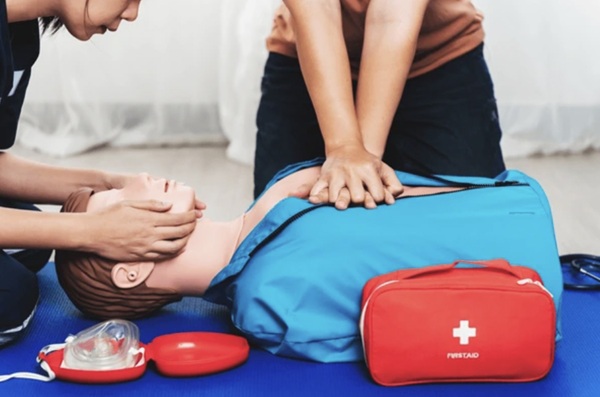
Emergencies often arrive without warning, bringing confusion, fear, and uncertainty. In these moments, the ability to take control can prevent a situation from becoming worse. Training in CPR and first aid gives people a clear head and useful knowledge, empowering them to react confidently rather than in a panic. Through accessible programs such as first aid Sydney, people gain the skills needed to manage critical situations effectively until professional help arrives.
Learning To Stay Focused When Pressure Is High
One of the greatest challenges during emergencies is staying calm. Stress can impair judgment and delay responses. CPR and first aid training prepares people to remain focused by giving them a clear plan to follow.
Courses focused on CPR first aid teach structured response steps that guide learners through emergencies. This structure helps prevent rushed decisions and supports steady, purposeful action even in stressful situations.
Assessing The Situation With Confidence
Taking control begins with understanding what is happening. First aid training emphasises quick assessment, including checking the environment for danger and evaluating the injured person’s condition.
Through first aid programs, participants learn how to identify urgent signs such as breathing difficulties, severe bleeding, or loss of responsiveness. Accurate assessment allows responders to prioritise actions and avoid unnecessary risks.
Taking Immediate Action When It Matters Most
Hesitation can be costly in emergencies. People who have received first aid and CPR training are motivated to act quickly when seconds count.
People trained to provide first aid understand which steps to take first and how to deliver immediate care safely. Whether it involves assisting someone who has collapsed or managing a serious injury, timely action helps stabilise the situation while waiting for professional responders.
Building Practical Skills Through Hands-On Training
Confidence grows with practice. CPR and first aid courses include hands-on sessions where learners perform techniques in realistic scenarios. This experience builds muscle memory and reduces fear of making mistakes.
Training offered through CPR First Aid Sydney focuses on practical application, allowing participants to rehearse their response. Familiarity with techniques ensures actions feel more natural during real emergencies.
Communicating Clearly During Critical Moments
Effective communication is essential when taking control. Emergencies often involve bystanders who want to help but lack direction. Trained individuals know how to guide others calmly.
First aid training teaches how to explain actions, call emergency services clearly, and reassure the injured person. Through first aid instruction, participants develop communication skills that help maintain order and cooperation.
Managing Emotional Reactions
Emotions can escalate quickly during emergencies. Fear and panic may affect both the injured person and those around them. CPR and first aid training includes techniques for managing emotional responses.
Those who learn to provide first aid are taught to remain composed and supportive. This emotional control helps calm others and creates a more controlled environment for effective care.
Taking Responsibility Instead Of Waiting
A key benefit of training is the shift from passive observation to active responsibility. Trained individuals recognise that their actions can influence outcomes.
Programs linked with CPR first aid encourage participants to step forward rather than assume someone else will act. This sense of responsibility empowers people to take control when help is needed.
Applying Skills Across Different Settings
Emergencies can occur anywhere, at home, in the workplace, or in public spaces. CPR and first aid training prepares individuals to adapt their response to different environments.
Through first aid education, learners practice applying skills in varied scenarios. This adaptability ensures they can manage emergencies regardless of location.
Building Long-Term Confidence And Readiness
Taking control during emergencies is not about being fearless. It is about being prepared. CPR and first aid training builds long-term confidence by reinforcing knowledge and practice.
By learning how to provide first aid, individuals carry a sense of readiness that extends beyond emergencies. This preparedness enables them to respond calmly and decisively when unexpected situations arise.
CPR and first aid training empowers people to take control when emergencies strike. Through structured learning, practical experience, and emotional resilience, individuals gain the ability to act with clarity and confidence, making a meaningful difference during critical moments.

