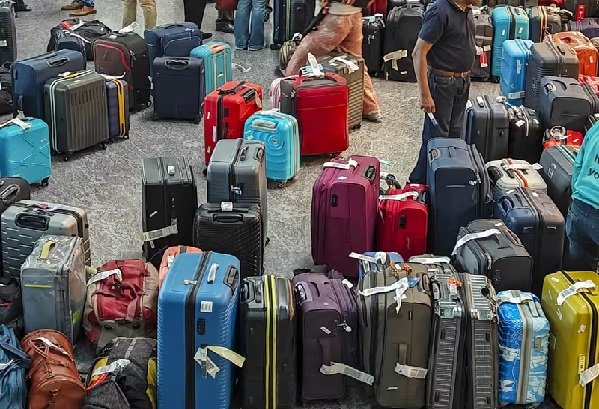
Baggage loss, flight delay and trip cancellation can affect the same journey in very different ways. Their importance depends on where a person is travelling, how many connections are involved and how much has been paid in advance.
A missing suitcase may disrupt an overseas holiday, while a delayed domestic flight may create problems for a short business visit. Understanding how each risk changes across routes helps travellers select useful protection instead of treating every journey as though it carries identical concerns.
Understanding the Three Common Travel Risks
Baggage loss refers to checked luggage that is lost, damaged or delivered late during a covered journey. A flight delay occurs when departure is pushed beyond its scheduled time, while trip cancellation happens when travel cannot begin for an eligible reason. Each event may lead to extra spending, but the scale of disruption depends on the destination, itinerary, bookings and policy terms.
Baggage Loss: When Is It More Likely to Matter?
Baggage problems matter most when travellers carry essential clothing, documents or personal items that cannot be replaced easily at the destination.
Why International Trips Face Higher Risk
International trips often involve longer routes, multiple airport transfers, customs checks and connecting flights. Baggage problems can feel more difficult abroad, where replacing essentials may be unfamiliar. The best travel insurance for each trip should therefore include suitable baggage support.
Common Causes of Baggage Loss
Checked bags may be affected by incorrect tagging, handling errors, tight transfers or changes between aircraft. Busy airports and journeys involving multiple connections can add more stages where luggage must be moved, sorted and loaded correctly before reaching the final destination.
How Insurance Helps Recover Losses
For baggage-related disruptions, international travel insurance online may cover eligible losses or essential purchases during a delay. Travellers should retain airline reports, receipts and records, as benefit limits, waiting periods, item conditions and documentation requirements can differ between policies.
Flight Delays: Domestic Vs International Impact
A delay can disturb any trip, but missed connections and additional arrangements often make its effect more serious on international itineraries.
Frequent Reasons for Flight Delays
Weather conditions, air traffic congestion, operational changes, technical checks and late aircraft arrivals may delay departure. Domestic routes can face repeated schedule disruption during busy periods, while international delays may affect onward flights, airport transfers and time-sensitive entry or accommodation arrangements.
Financial Impact of Long Delays
Long waits may lead to spending on meals, local transport, accommodation or a replacement connection. The effect is usually greater when the traveller is far from home, travelling with family or following a tightly planned route with several prepaid services.
Insurance Benefits for Delayed Flights
Some policies offer a fixed benefit or reimbursement for eligible expenses after a covered delay crosses the stated time threshold. Travellers should check the qualifying duration, accepted reasons, claim documents and whether missed connections are addressed under a separate benefit.
Trip Cancellation: Situations Where It Becomes Costly
Cancellation becomes more significant when a journey includes several non-refundable bookings made well before the planned departure date.
Common Reasons for Trip Cancellation
A trip may be cancelled because of a sudden illness, injury, family emergency, severe weather event or another reason listed in the policy. Coverage does not apply automatically to every change of plan, making the stated insured events especially important.
Expenses You May Lose
Cancelling a trip can mean losing money already paid for flights, hotels, local transport, tours or event bookings. The impact may be greater when several parts of the journey are non-refundable.
How Travel Insurance Covers Cancellation Costs
Travel insurance may cover eligible cancellation expenses when the reason is listed in the policy. Insurers usually ask for documents such as medical certificates, booking receipts, cancellation notices and refund details before assessing the claim under the policy terms.
Comparing These Risks across Domestic and International Travel
No single risk matters most on every route. The journey structure usually provides a clearer answer than the destination label alone.
- Domestic short trips may be affected most by delays because schedules leave little recovery time.
- International journeys with connections may place greater importance on baggage and missed-flight protection.
- Expensive prepaid holidays may make cancellation cover a stronger priority.
- Travellers carrying essential equipment may need closer attention to baggage limits.
Which Coverage Should You Prioritise?
Start with the event that could create the largest practical and financial disruption for the planned journey. Then check how the policy defines that event.
- Review the number and length of flight connections.
- Note which bookings are refundable and which are not.
- Check baggage limits, delay thresholds and cancellation reasons.
- Consider the needs of children, older travellers or business schedules.
- Read benefit limits, deductibles and documentation requirements before purchase.
Conclusion
Baggage loss, flight delay and trip cancellation do not carry equal weight across every journey. Baggage protection may matter more on multi-stop overseas travel, while delay cover can be valuable for short trips with fixed commitments. Cancellation protection deserves close attention when substantial bookings have been paid in advance. A suitable choice comes from matching the itinerary with policy benefits, rather than selecting cover by destination alone.
