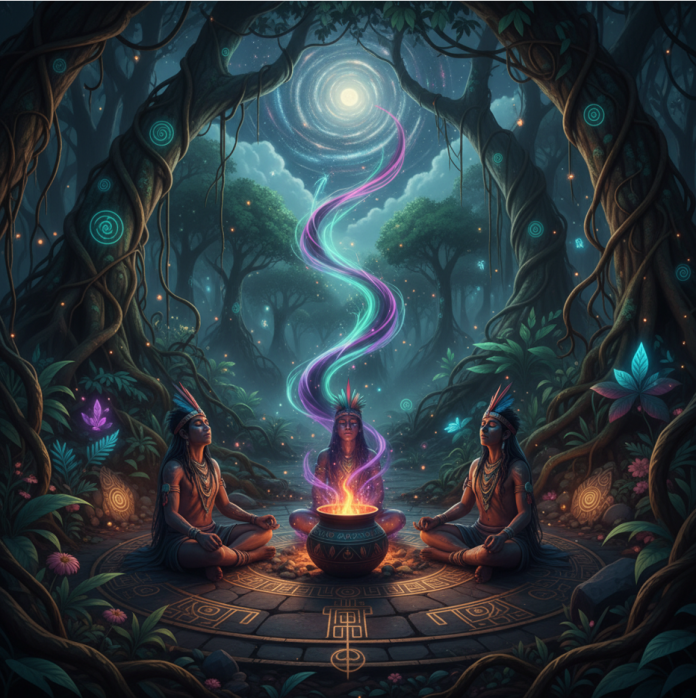
If you’re exploring plant medicine journeys, you’ve probably encountered yagé, also spelled yage, and ayahuasca. At first glance, these Amazonian brews share the same Banisteriopsis caapi vine base and promise profound revelations. Yet you’ll soon notice distinct botanical blends, brewing rituals, ceremonial styles, psychoactive qualities, therapeutic uses, and legal standing that set them apart. Understanding these differences can help you choose the path that best aligns with your intentions and safety considerations.
Botanical composition and ingredients
Yagé ceremonies in Colombia traditionally feature a blend of Banisteriopsis caapi and Diplopterys cabrerana, commonly known as chaliponga. This vine-and-vine pairing delivers a psychoactive brew without the need for additional leaf admixtures. By contrast, ayahuasca in Peru and Brazil often combines B. caapi with Psychotria viridis (chacruna) or other DMT-rich plants. These different vegetal partners shape the alkaloid profiles that underlie each brew’s effects.
The ratio of vine to leaf also varies between traditions. Colombian yagé may emphasize a higher proportion of caapi, lending an earthy, ancestral character to the experience. In many ayahuasca preparations, equal parts vine and leaf promote a balanced interplay between MAO inhibitors and DMT, resulting in more vivid visionary states. You’ll find local practitioners adjusting these ratios based on seasonal harvests and ceremonial goals.
Secondary ingredients can further distinguish regional practices. Some ayahuasca brews include plants like Brugmansia for deeper introspection, though such additions carry higher risk and are less common in mainstream ceremonies. Yagé’s simpler formula typically focuses on prayer and purification rather than extended visionary work.
Preparation and brewing methods
Brewing yagé involves carefully stripping the caapi vine of its bark before simmering, which reduces potential irritants and purgative effects. Practitioners will often soak the vine overnight, then boil it alongside chaliponga for several hours until a dark, concentrated decoction remains. This process emphasizes clarity of purpose and gentle cleansing in ceremony.
Ayahuasca preparation usually retains the vine’s natural bark, yielding a richer tannin content that contributes to its characteristic bitterness and more robust purge. The vine and leaf are compounded in large pots, occasionally over a wood fire, and simmered for up to eight hours. The resulting liquid must be carefully filtered to remove vegetal debris before distribution.
Your choice of brewing vessel and water source can also influence the final brew. Traditional ceremonies may stick to clay pots and river water, infusing subtle mineral notes, while retreat centers sometimes use stainless steel and filtered taps. Both approaches honor the medicine’s integrity when performed with respect and ritual intent.
Ceremonial practice and leadership
In Colombian yagé ceremonies, a taita or traditional healer guides participants through disciplined prayer, singing, and intricate call-and-response chants. The focus centers on community cleansing and spiritual alignment; individual visions are welcomed, but collective purification takes precedence. Ceremonies may last well into the early morning, punctuated by periods of silent contemplation.
Ayahuasca rituals in Peru and Brazil often follow a more structured set of icaros – shamanic songs believed to steer visionary journeys. You may find emphasis on personal healing narratives, inner exploration, and dialogue with plant spirits. Group sharing circles frequently follow each session, allowing participants to process insights under the guidance of facilitators.
Both traditions value respect for indigenous wisdom and strict ceremonial protocols. When you participate, you’re entering a lineage of practitioners who emphasize intention-setting, ethical conduct, and mutual support throughout the experience. Preparing both mentally and physically fosters a safer, more transformative journey.
Psychoactive experience comparison
When you drink yagé, many users report an earthy, ancestral quality to their visions—dreamlike landscapes tied to Colombian cosmology rather than abstract geometric patterns. The experience tends to be grounded, with emotions and bodily sensations playing a prominent role. You may feel a stronger connection to ritual chants and communal energy, which can anchor you if the vision work intensifies.
Ayahuasca from Peru or Brazil often delivers a more pronounced visual component, with vivid colors, fractal motifs, and encounters with perceived entities. The interplay of harmala alkaloids and DMT reaches a crescendo that can feel highly introspective, prompting you to confront personal traumas or universal archetypes. Though both brews induce purging, the richer tannin profile of many ayahuasca preparations often triggers a more vigorous physical release.
Cleansing varies widely between ceremonies. Yagé’s bark-stripped brew generally produces a gentler purge, which some participants welcome when they seek emotional or spiritual clarity rather than a full-body detox. Ayahuasca ceremonies may lean heavily into purgation as a form of physical and psychic clearing, though experiences can shift dramatically with dosage, setting, and individual sensitivity.
Therapeutic potential and research
Research on ayahuasca has expanded over the past decade, with studies indicating benefits for depression, PTSD, and addiction when integrated into psychotherapeutic frameworks. While rigorous investigations specific to yagé remain limited, preliminary reports from Colombian contexts suggest similar psychological gains. Indigenous communities have long harnessed yagé for relational healing, intergenerational trauma work, and spiritual realignment.
You’ll often find retreat centers in Colombia offering yagé sessions combined with Western-style counseling or breathwork to scaffold the process. These hybrid models aim to maximize therapeutic outcomes while honoring indigenous expertise. As a participant, ask about facilitators’ training backgrounds, safety protocols, and integration support before committing to a program.
Emerging qualitative research points to the importance of cultural context in mediating outcomes. Whether you choose ayahuasca or yagé, alignment with knowledgeable guides and a supportive community is crucial for minimizing risks and amplifying benefits.
Legal status and regulation
Colombia formally recognizes yagé as part of its indigenous heritage, allowing ritual use under traditional governance structures. By contrast, ayahuasca enjoys religious exemptions in Brazil and limited protected status in Peru, where it is celebrated as national patrimony. Outside South America, legal frameworks tend to classify both brews under DMT regulations, effectively making their importation and distribution illegal in many countries.
Navigating these regulations requires diligence. If you plan to travel for a ceremony, research visa restrictions, local guidelines, and facilitator credentials. Ensuring you operate within legal and ethical boundaries keeps your journey focused on healing rather than compliance issues.
As you explore the unique qualities of yagé and ayahuasca, take care to honor each medicine’s heritage. Reflect on your intentions, prepare responsibly, and seek guidance from experienced practitioners who uphold ethical, safety-minded protocols. When approached with respect and curiosity, both brews can offer profound insights and lasting transformation.

