Starting a face care routine can feel overwhelming when you see shelves full of serums, toners, essences, and treatments. The good news is that you don’t need a 10-step routine to have healthy, glowing skin. A simple, consistent routine with the right products works better than a complicated one you can’t stick to.
This guide breaks down the basics of building a face care routine that’s easy to follow, effective, and perfect for beginners. Whether you’re just starting to take care of your skin or want to simplify your current routine, these steps will help you get started.
Why You Need a Face Care Routine
Your skin faces daily challenges-pollution, sun exposure, dirt, sweat, and makeup. Without proper care, these factors lead to clogged pores, dullness, breakouts, and premature aging. A consistent routine helps remove impurities, maintain hydration, and protect your skin from damage.
The key word here is “consistent.” Even the simplest routine delivers results when you follow it daily. Your skin needs time to adjust and respond to products, so patience and regularity matter more than using expensive or complicated products.
Choosing products from a top cosmetic brand from India that understands local skin needs and climate conditions can make your routine more effective and enjoyable.
The Three Basic Steps
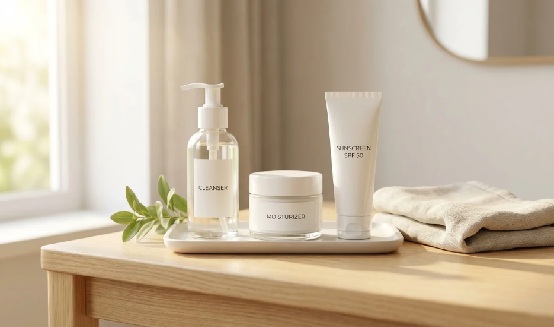
Every effective face care routine includes three fundamental steps: cleanse, moisturize, and protect. These three steps address the core needs of all skin types.
Step 1: Cleanse
Cleansing removes dirt, oil, makeup, and pollutants that accumulate on your skin throughout the day. Without proper cleansing, these impurities clog pores and cause breakouts and dullness.
Choose a gentle cleanser suited to your skin type. For oily skin, a foaming or gel cleanser works well. For dry skin, cream or milk cleansers are gentler. For sensitive skin, fragrance-free, minimal-ingredient cleansers are best.
Cleanse twice daily-morning and night. In the morning, a quick cleanse removes overnight oil and prepares skin for the day. At night, cleansing removes everything that accumulated during the day.
Step 2: Moisturize
Moisturizing keeps your skin hydrated, soft, and protected. Even oily skin needs moisturizer-skipping it actually causes your skin to produce more oil to compensate for dryness.
Choose a moisturizer based on your skin type. Lightweight, oil-free formulas work for oily skin. Richer creams suit dry skin. Sensitive skin benefits from fragrance-free, hypoallergenic options.
Apply moisturizer to slightly damp skin after cleansing. This helps lock in hydration. Use it morning and night for best results.
Step 3: Protect with Sunscreen
Sunscreen is the most important anti-aging product you can use. UV rays cause wrinkles, dark spots, and increase skin cancer risk. Daily sunscreen prevents this damage.
Use SPF 30 or higher every morning, even on cloudy days or when staying indoors (UV rays penetrate windows). Apply it as the last step of your morning routine, before makeup.
Reapply every two hours if you’re outdoors for extended periods. This step alone makes a bigger difference than any expensive serum.
Building Your Routine: Morning vs. Night
Your morning and evening routines differ slightly based on your skin’s needs at different times.
Morning Routine
Your morning routine prepares and protects skin for the day ahead.
- Cleanse gently to remove overnight oil
- Apply moisturizer while skin is slightly damp
- Apply sunscreen as the final step
- Apply makeup if desired
Keep your morning routine quick and simple. You can explore quality face care products that suit your specific skin needs as you become more comfortable with the basics.
Evening Routine
Your evening routine focuses on removing the day’s buildup and allowing skin to repair overnight.
- Remove makeup thoroughly (use micellar water or cleansing oil first if wearing heavy makeup)
- Cleanse to remove remaining dirt and oil
- Apply any treatment products (if using)
- Apply moisturizer or night cream
Nighttime is when your skin repairs itself, so proper cleansing and moisturizing at night are especially important.
Choosing Products for Your Skin Type
Understanding your skin type helps you choose the right products.
Oily Skin: Look for “oil-free,” “non-comedogenic,” or “mattifying” products. Gel cleansers and lightweight moisturizers work well.
Dry Skin: Choose cream cleansers and rich moisturizers. Look for ingredients like hyaluronic acid, glycerin, and ceramides.
Combination Skin: Use gentle products that balance both oily and dry areas. Lightweight moisturizers that hydrate without adding excess oil work best.
Sensitive Skin: Avoid fragrances, alcohol, and harsh ingredients. Look for “hypoallergenic” and “fragrance-free” labels.
Normal Skin: You have flexibility with products. Focus on maintaining balance with gentle cleansers and light-to-medium moisturizers.
When to Add More Products
Once you’ve mastered the basic three-step routine for a few weeks, you might want to add targeted treatments. Here’s when to consider additions:
Serums: Add after cleansing, before moisturizing. Vitamin C serums brighten skin. Hyaluronic acid serums boost hydration. Niacinamide helps with pores and oil control.
Exfoliation: Add 1-2 times weekly to remove dead skin cells. Start with gentle chemical exfoliants rather than harsh scrubs.
Eye Cream: Add if you have specific under-eye concerns like dark circles or fine lines.
Treatments: Add spot treatments for acne or dark spot treatments for hyperpigmentation as needed.
Start with one new product at a time. Wait 2-3 weeks before adding another so you can identify what works and what doesn’t.
Common Beginner Mistakes to Avoid
Starting a routine is exciting, but avoid these common errors:
- Using too many products at once: Start simple and add gradually
- Skipping sunscreen: This is non-negotiable for skin health
- Over-cleansing: Twice daily is enough; more strips your skin
- Expecting instant results: Give products 4-6 weeks to show effects
- Touching your face frequently: This transfers bacteria and causes breakouts
- Not reading ingredients: Learn what works for your skin type
Tips for Sticking to Your Routine
Consistency brings results. Here’s how to make your routine stick:
- Keep products visible and accessible
- Set reminders until it becomes habit
- Start with just three products to avoid overwhelm
- Make it enjoyable-choose textures and scents you like
- Be patient and trust the process
Final Thoughts
Building a face care routine doesn’t need to be complicated. Start with the three basics-cleanse, moisturize, and protect with sunscreen-and do them consistently. This simple approach works for all skin types and creates a foundation for healthy skin.
As you become comfortable with the basics, you can gradually add products that address your specific concerns. But remember, a simple routine you follow daily beats a complicated one you abandon after a week.
Your skin is unique, so pay attention to how it responds and adjust accordingly. With patience and consistency, you’ll see real improvements in your skin’s health and appearance.

