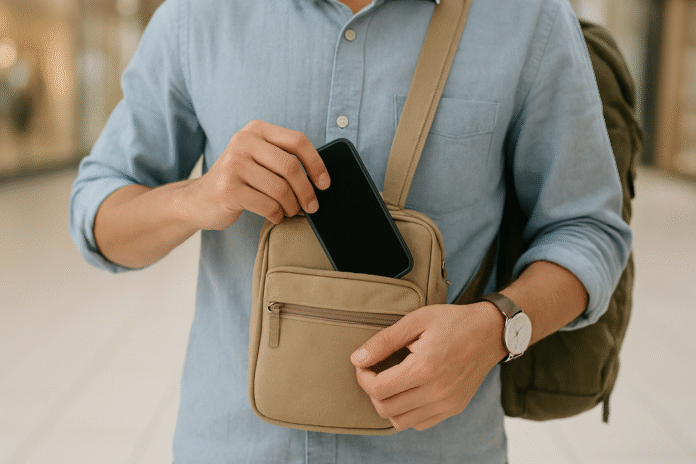
Phone screens crack easily, and it always seems to happen at the worst time. You might be out shopping, traveling, exploring a new spot, or rushing between places when the phone slips from your hand. A single drop can leave scratches or even a spider-web crack across the display. The good news is that there are simple ways to protect your screen when you are out and about, and one growing option is the screen protector machine, which gives instant access to protection without a long wait.
This guide covers practical steps to keep your phone screen safe, especially when you spend a lot of time outdoors, commuting, or visiting crowded locations.
Start With a Strong Screen Protector
A good screen protector is one of the easiest ways to avoid scratches and cracks. It adds a clear layer on top of your display and absorbs some of the impact if the phone falls.
There are different types available:
● Tempered glass
● Hydrogel films
● Privacy protectors
● Anti-glare films
Tempered glass is a common choice because it adds strong protection without affecting how the screen feels. Hydrogel films work well for curved displays. If you use your phone often in sunlight or public spaces, anti-glare or privacy filters can help.
The key is to apply the protector correctly. Air bubbles, dust, or misalignment reduce protection and make the phone look untidy. This is where automated machines have become popular, especially for people who want fast and clean application without manual effort.
Use a Case With Raised Edges
Cases with raised edges help protect the display when the phone falls face-down. Raised edges stop the screen from hitting the ground directly.
You do not need a bulky case. Many slim cases now include raised bezels around the front and camera. These cases keep the device compact while still adding a layer of safety.
If you switch between backpacks, handbags, or pockets often, this extra protection can make a large difference. Even a simple bump inside a crowded area can push the phone against a hard surface.
Avoid Keeping Your Phone in Exposed Pockets
Many people slide their phones into back pockets or side pockets. This is convenient but risky. Phones can slip out without warning, especially when you sit, bend, or enter a vehicle.
Front pockets provide better safety, but even then, keys and coins can scratch the display. When you are on the move, it is safer to keep the phone in a separate pocket of your bag or a pouch designed for mobile devices.
If you carry your phone while jogging or walking, consider using an armband or a small crossbody pouch. These keep the phone stable and prevent accidental drops.
Be Careful When Placing Your Phone on Rough Surfaces
Public tables, outdoor benches, or stone walls often have tiny particles that can scratch your phone. Many people place the phone screen-down without thinking. Even a small grain of sand can leave a permanent line across the display.
When you set your phone down, place it screen-up on a clean surface. If the area looks dusty or rough, keep the phone in your pocket or bag instead of putting it down.
Car dashboards can also scratch screens, especially during long trips. Vibrations cause friction, and the heat inside the car can soften the screen surface.
Wipe the Screen Regularly
Dirt, dust, and oils gradually wear down the screen surface. Wiping the phone with a soft microfiber cloth keeps it clean and reduces the risk of scratches. Avoid using tissues or rough cloths since they can leave marks.
If you visit beaches, parks, or windy areas, clean the screen more often. Fine sand is one of the biggest enemies of phone screens.
Use On-Demand Screen Protection While Traveling
When you are far from home or visiting new places, finding a shop to fix or protect your phone can be difficult. That is why many malls, metro stations, and transport hubs are now installing automated machines that apply screen protectors in minutes.
These machines help when:
● Your protector cracks
● Your phone falls unexpectedly
● You notice new scratches
● You buy a new phone
● You travel for long hours and want quick protection
The process is simple. You choose your phone model on the screen, select the type of protector, and the machine applies it neatly. It reduces bubbles, dust problems, and misalignment. For someone on the move, this is quicker than searching for a service shop and waiting in line.
Keep Your Phone Away From Edges and Ledges
Many drops happen because the phone sits too close to the edge of a table or counter. Busy moments make you less aware of where you placed it. The safest habit is to put your phone at the center of the table or inside a bag when not in use.
This is especially helpful when you sit in cafés, food courts, airports, or tourist spots where tables often get bumped or moved.
Be Cautious During Outdoor Activities
If you enjoy hiking, cycling, or traveling to scenic locations, your phone is more exposed to sudden movement. A wrist strap or lanyard case can help keep the device secure. These accessories are light, simple, and useful when taking photos in crowded or tricky spots.
Water can also damage protective films, making them peel off faster. Using a water-resistant pouch helps in areas where splashes are common, such as beaches, lakes, or boat rides.
Replace Old Screen Protectors Before They Fail
Many people keep cracked or chipped protectors for too long. Over time, the broken protector stops giving proper safety. It may even trap dust inside and scratch the phone.
Replace your protector whenever:
● It breaks
● The edges peel
● It collects dust
● It feels loose
● The clarity drops
Fresh protection gives better shock absorption and clarity.
Final Thoughts
Keeping your phone screen safe while on the move is not difficult. Small habits like using a strong protector, avoiding sharp objects, keeping the phone away from edges, and being careful with placement can go a long way. Automated protector machines also add convenience for people who want quick, clean, and reliable protection without waiting for shop services.
A little attention can save you from the cost and hassle of screen repairs, especially when you are traveling or spending long hours outdoors.

