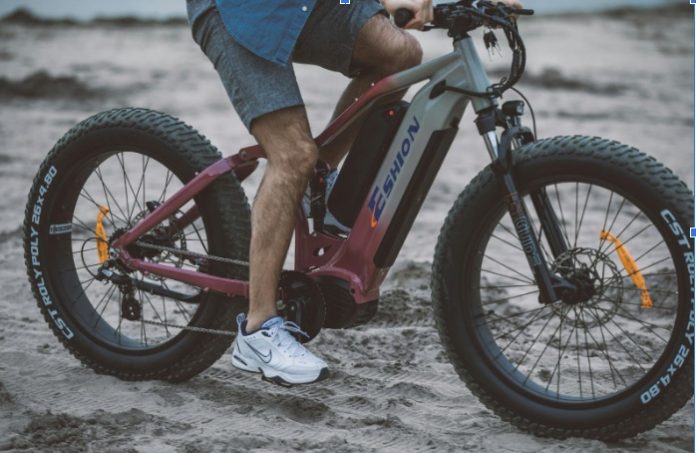
Ever found yourself wishing your bike could handle more than just one type of riding? Fat tire electric bikes have changed the game completely. You’re no longer stuck choosing between smooth urban pavement and challenging backcountry trails—these machines genuinely do both.
Here’s something that might surprise you: an e-bike produces 780 times fewer CO₂ emissions than a gas-powered car and 25 times fewer emissions than an electric vehicle. Those oversized tires paired with electric motors? They’re not just a trend. Whether you’re navigating pothole-riddled city blocks or exploring sandy wilderness paths, these bikes outperform traditional options in ways that matter to real riders.
Superior Traction and Stability Across All Terrains
Let’s talk about those massive tires. They’re doing far more work than just looking aggressive. The expanded surface area translates to a contact patch that maintains your stability across wet pavement, loose gravel, or anything in between.
Enhanced Grip on City Streets During All Weather Conditions
City riding demands adaptability. Rain appears without warning, metal grates lurk at intersections, and painted road markings become ice rinks when wet. Riders consistently discover the benefits of fat tire bikes when conditions turn sketchy. That substantial tire width? It means you’re riding confidently instead of tensing up through every slick section.
Your morning commute doesn’t get cancelled because of drizzle anymore. The wider contact distributes water more efficiently, cutting hydroplaning risks dramatically. Braking on damp surfaces feels different—more controlled, more trustworthy.
Unmatched Off-Road Capability and Trail Confidence
This is where things get genuinely exciting. Sand, gravel, mud, exposed roots—the off-road fat tire electric bike conquers surfaces that strand conventional bikes immediately. Running low tire pressure (typically 5-15 PSI) allows the tire to mold around obstacles instead of ricocheting off them.
Snow riding transforms from miserable to actually enjoyable. The flotation keeps you on top of soft surfaces instead of sinking. Technical rock gardens and root systems? Still demanding, but you’ll ride through sections that used to mean walking.
Confidence-Building Features for New Riders
Something about wider tires underneath you creates immediate psychological comfort. New riders repeatedly mention feeling steadier and more secure, which accelerates learning. Fat tires forgive minor errors that would send narrower tires sideways.Understanding what makes these bikes special is just the beginning—those wide, aggressive tires form the foundation for transforming both daily commutes and weekend wilderness exploration.
Exceptional Comfort for Extended Rides
Superior traction keeps you upright and confident, but here’s what changes with daily riding: those same fat tires eliminate the bone-rattling bumps and constant vibration that make conventional bikes exhausting on longer distances.
Natural Suspension Properties of Fat Tires
Fat tires function as integrated suspension systems. At reduced pressures, they absorb impacts that would shake traditional bikes apart. Sales of e-bikes in the United States grew by 269% between 2019 and 2022, largely because people experienced this comfort difference firsthand.
The cushioning isn’t subtle or marginal—you notice it immediately. Your spine, wrists, and shoulders feel the difference after each ride. Dialing in pressure matters: urban riding works well at 15-20 PSI, while trail conditions prefer 8-12 PSI.
Reduced Joint and Back Strain
Commuters already deal with plenty of physical stress. Why add bike-induced soreness? The fat tire e-bike benefits extend to genuine health improvements, especially for riders worried about joint impact. The tire’s compliance reduces repetitive stress on knees and spine.
Long-term users report significantly fewer complaints versus traditional commuting bikes. Electric assist combined with natural cushioning creates low-impact exercise that doesn’t leave you limping afterward.
Smoother Navigation Through Urban Obstacles
Potholes terrorize city cyclists. With fat tires, you roll over most without that jarring impact. Construction zones become manageable. Historic brick-paved neighborhoods? Pleasant experiences instead of punishment.The comfort benefits impress, but fat tire e-bikes really demonstrate their value when the weather deteriorates, and conventional cyclists stay home.
Year-Round Versatility and All-Season Performance
Fat tire bikes refuse to hibernate during rough conditions. Their design directly addresses challenges that keep standard bikes unused half the year.
Winter Riding Capabilities Without Compromise
Snow and ice turn most bikes into expensive garage art. These bikes keep rolling. Wide tires deliver genuine winter transportation, gripping surfaces where narrow options spin uselessly. Adding studded tires elevates performance further.Temperature extremes don’t intimidate quality electric bikes for city commuting models. Battery management systems have evolved considerably, maintaining range despite cold conditions. Store the battery indoors overnight, and you’re ready.
Summer Trail and Beach Riding Adventures
Beach riding showcases fat tire capabilities perfectly. The flotation working in snow applies identically to sand. You’ll explore coastal trails and shorelines impossible for regular bikes.Desert trails offer similar advantages. Loose, sandy stretches become rideable instead of pushing exercises. Heat dissipation from expanded tire volume actually prevents overheating problems.
Rainy Season Urban Commuting Reliability
Reliable commuting means riding regardless of the weather. Puddles that drench regular cyclists become minor inconveniences. Fat tire spray patterns throw water sideways rather than up your back.Riding through any season and handling any terrain sounds expensive, but the financial analysis actually favors you significantly.
Cost-Effective Transportation for Dual-Purpose Use
The initial price might give you pause. Look beyond it. You’re replacing multiple bikes—possibly even a vehicle—with one versatile machine.
Eliminating the Need for Multiple Bikes
Collectors might object, but most riders don’t require separate road bikes, mountain bikes, and commuters. The best fat tire ebike for city and trail handles everything competently. Your garage appreciates the space, and your wallet definitely appreciates the savings.Simplified maintenance alone eliminates headaches. One bike equals one parts inventory, one maintenance routine, and one charging schedule. That streamlining accumulates rapidly.
Fuel and Parking Savings for City Commuters
Car ownership costs exceed most people’s estimates. Gas, insurance, parking—easily $300-500 monthly in cities. E-bike electricity costs? Perhaps $10 monthly.
Parking frustrations disappear entirely. No more circling neighborhoods or feeding meters. Your commute might actually get faster after accounting for parking search time.
Reduced Maintenance Compared to Vehicles
Cars demand continuous attention and costly repairs. E-bikes need fundamental upkeep—chain lubrication, brake adjustments, and periodic tire replacements. The difference is dramatic. Most riders spend under $200 yearly on maintenance.Direct cost savings aside, fat tire e-bikes deliver unexpected efficiency advantages, extending your riding range and maximizing battery performance.
Increased Range and Battery Efficiency Benefits
Battery anxiety is legitimate, but fat tire e-bikes address it through intelligent engineering. The motor and wide tires collaborate more efficiently than expected.
How Fat Tires Optimize Electric Motor Performance
Motors don’t battle terrain as aggressively with fat tires. Rough surfaces bogging down narrow tires get rolled over smoothly, preserving battery power. Torque distributes more evenly across the expanded contact patch.This efficiency produces tangible range improvements. You’ll notice it particularly on mixed-terrain rides with frequent surface transitions.
Extended Distance Capabilities for Adventure Riders
Quality models routinely achieve 30-50 miles per charge, with some exceeding 60. Dual battery systems are increasingly common, essentially doubling range. Multi-day bikepacking adventures become realistic. Real-world testing consistently shows fat tire models matching or surpassing standard e-bike ranges despite wider tires.
Electric assist compensates beautifully for any rolling resistance. Impressive range matters, but what truly makes these bikes practical for replacing car trips is their outstanding cargo capacity—hauling groceries, gear, and equipment without performance compromises.
Enhanced Carrying Capacity for Practical Daily Use
Utility counts. A bike incapable of carrying anything forces you back into cars. Fat tire e-bikes are engineered to work, not just play.
Robust Frame Design for Cargo and Gear
Weight capacities typically reach 300-400 pounds—bike plus rider plus cargo. Frame construction supports substantial loads without flexing or handling strangely. Cargo racks mount solidly, accommodating panniers, baskets, or specialized hauling accessories.
The rugged build quality of trail riding translates perfectly to cargo duty. It’s intentional; these bikes are overbuilt by road bike standards, serving multiple functions.
Perfect for Grocery Shopping and Errands
Weekly shopping becomes bike shopping. Fill panniers with groceries and pedal home without excessive effort (electric assist handles that). Multi-stop errands work beautifully—the bike becomes your urban workhorse. Front baskets provide quick-access storage for smaller purchases. Combined front and rear capacity rivals many compact cars for practical hauling. Carrying capacity makes fat tire e-bikes practical, but inherent safety features make them the intelligent choice for navigating heavy urban traffic and remote backcountry terrain alike.
Safety Advantages in Mixed Traffic and Remote Trails
Peace of mind matters whether merging with traffic or venturing deep into the wilderness. Fat tire e-bikes deliver security through multiple design elements.
Improved Visibility and Road Presence
You’re more visible simply because you’re physically larger. Drivers notice and provide more space. The substantial profile commands traffic respect that slim road bikes don’t receive.
Lighting integration typically excels on quality models. The broader frame offers mounting locations for multiple lights and reflectors, creating highly visible packages.
Emergency Handling and Obstacle Avoidance
Split-second reactions determine outcomes in close calls. The stable platform and confident grip enable emergency maneuvers without losing control. Braking performance remains predictable during sudden stops.That stability advantage really demonstrates value when swerving around suddenly opened car doors or unexpected obstacles. The safety and stability foundation now gets enhanced with cutting-edge technology, redefining what these versatile machines accomplish.
Future-Proof Technology and Smart Features
Modern fat tire e-bikes aren’t merely bikes with motors—they’re connected devices packed with innovation.
Smart Integration and Connected Features
GPS tracking aids stolen bike recovery and route planning. Smartphone apps monitor battery health, track rides, and sometimes allow performance tuning. Anti-theft features include alarms and location tracking.
Over-the-air updates maintain current firmware without dealership visits. Technology integration keeps improving as manufacturers add capabilities.
Modular Upgrades and Customization Options
Battery technology advances rapidly. Many manufacturers design systems allowing future battery upgrades. Motor improvements may become straightforward replacements. This modularity protects investments.
Tire width options enable performance fine-tuning. Suspension additions can transform rigid frames. The customization ecosystem continues expanding. With these benefits and innovations understood, the critical question becomes: how do you select the right fat tire e-bike matching your specific city-to-trail lifestyle?
Your Questions About Fat Tire E-Bikes Answered
1. Can you ride fat tire e-bikes on standard bike paths?
Absolutely. Most bike paths accommodate the 4-5 inch tire width comfortably. Check local regulations regarding e-bike classifications (Class 1, 2, or 3), as path access sometimes depends on motor type and speed limits rather than tire dimensions.
2. How do fat tires perform in hot summer weather?
They excel. Larger air volume actually assists with heat dissipation. Tire pressure increases with temperature, so check and adjust accordingly. Reduce PSI by 1-2 pounds during extreme heat to maintain optimal grip and comfort.
3. Do I need special maintenance skills for fat tire e-bikes?
Not particularly. Basic bike maintenance applies—chain cleaning, brake checks, and tire pressure monitoring. Electrical components are typically sealed and maintenance-free. Most riders handle routine care easily with minimal tools and basic knowledge.
Making Your Move to Fat Tire Freedom
The versatility combining city capability with genuine off-road performance represents more than convenience—it’s freedom from single-purpose limitations. Your investment in a quality fat tire electric bike returns value through reduced transportation expenses, expanded adventure possibilities, and genuine year-round utility. These machines prove you don’t need compromises when choosing between practical commuting and exciting exploration. Perhaps it’s time to stop choosing between city and trail and start experiencing both.

