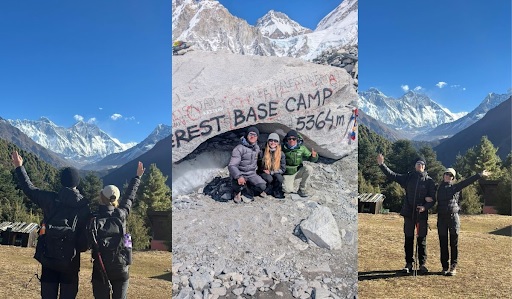
The Everest Three Pass trek is pushing your limits in some of the most extreme high altitude landscapes while being surrounded by the stunning peaks of the highest mountains on the globe.
For those who don’t want to trek around the same, conventional path leading to Mount Everest Base Camp, this alternative offers complete isolation and absolute wilderness.
This full Himalayan circuit pushes you across high mountain passes and remote valleys. It presents the extreme level of difficulty due to factors such as high altitude, remoteness, sustained effort and physical and mental endurance. Consecutive trekking days in alpine zones with rugged terrain and adapting to thin air where every step requires more energy and focus is rather challenging.
This trek is meant for thrill seeking trekkers looking for something different from regular Himalayan adventures. It is one of the best choices when it comes to trekking in Nepal.
Why Choose the Three High Passes Over Classic Routes?
Less Crowded and More Remote
The crowds thin out dramatically beyond the main trekking routes. Expect to walk for several hours while being alone and surrounded by the expansive landscape of the Himalayas.
The lack of people around you makes it more adventurous and gives you a unique opportunity to connect with nature and local culture.
Higher Physical and Mental Challenge
Walking through three high mountain passes which are all over 5,000 meters in altitude, is indeed a difficult task to undertake. This is due to the low atmospheric pressure and the continuous ascent involved in the process.
Additionally, you must keep in mind that your ultimate goal is to conquer all three high mountain passes. Staying focused, managing fatigue, and pushing through harsh moments push you towards victory.
Himalayas in Their Entirety
It is an experience where you get to know the Khumbu region more intimately than merely traveling to a single destination like Everest Base Camp. It will provide you with experiences in diverse terrains starting with the river valleys to the mountainous terrains and ice moraines.
Also, it provides you with more understanding about the geographic and cultural aspects of the Everest region than merely seeing Mount Everest.
The Real Challenge: Altitude or Distance
A major myth about the challenge involves distance. In fact, altitude is what truly shapes the experience.
Once you are above the 5,000 meter altitude, the amount of oxygen in the air falls by half, making even the lightest of moves a challenging one. It takes a lot longer for your body to recover, so getting a full eight hours of sleep won’t necessarily replenish your strength completely.
Climbing up a hill or simply carrying your backpack can leave you out of breath. This marks the point when trekkers start to struggle, not because they are unfit but because they fail to recognize the impact altitude can have.
Risk Factors Associated With Altitude
The most frequent problems occur when climbers move too rapidly without giving their bodies sufficient time to adjust to the change in altitude. Most trekkers also underestimate the impact of altitude on their physical strength expecting their fitness gained at sea level to be the same up high.
The biggest mistake people make is failing to recognize the symptoms of altitude sickness which can become severe quickly if not treated on time.
Practical Approach
Achieving success at altitude relies heavily on patience and determination. Walk consciously slower than you might normally feel comfortable with.
Stay consistently hydrated by drinking somewhere around 3 to 4 liters of fluid each day, enabling your body to adjust. Schedule appropriate acclimatization days at important stops such as Namche, Gokyo and Dingboche, where your body can get used to its surroundings.
Above all, be consistent in movement rather than fast-paced. Moving steadily and gradually is far more important than covering ground quickly.
Who Is This Trek For?
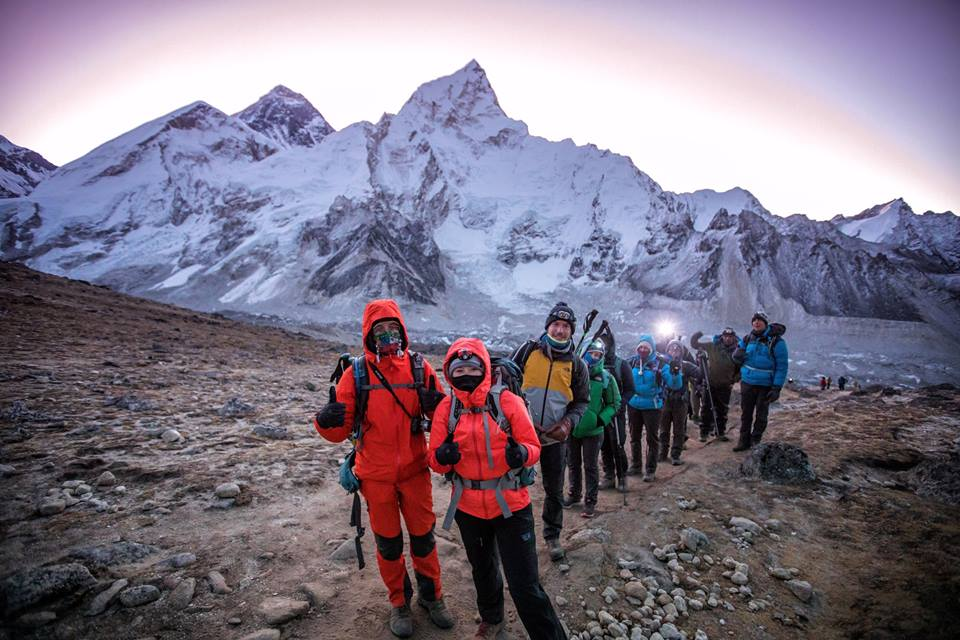
This journey is most appropriate for seasoned trekkers who have already been accustomed to multiple days of trekking in different terrains. It will also be ideal for those adventurers who know the challenges of trekking at altitudes higher than 5,000 meters and can deal with the thin air and slower walking pace.
If you prefer peace and quiet while being isolated from the crowd, want to spend time alone in the lap of nature and deeply immerse yourself in the regional culture, then this is the right journey for you.
This path is not suited to beginners, who could find the wilderness and altitude too difficult to handle. Likewise, travelers with time constraints cannot manage it since the itinerary involves multiple acclimatization days and the journey cannot be rushed.
The trip is unsuitable for travelers looking for luxury travel or comfortable trips, as there will be a lack of amenities and a high level of physical exertion involved in the journey.
Is This Your Kind of Adventure?
This trek isn’t recommended to people who are seeking comfort, predictability, or a highly social trekking experience. The conditions are variable, the terrain is demanding, and the sense of isolation is very real.
However, for those who want to get away from the mainstream, prefer silence instead of crowds, challenges rather than comfort and authenticity instead of accessibility, this trip will give truly unique opportunities.
The trek is not only a journey but also an opportunity to dive into the true wilderness of the Himalayas. You are surrounded by endless expanses of rugged mountains and need to conquer the thrilling alpine passes in thin air.
This way of traveling gives you a space to contemplate and creates a strong bond between the mountains and yourself.

