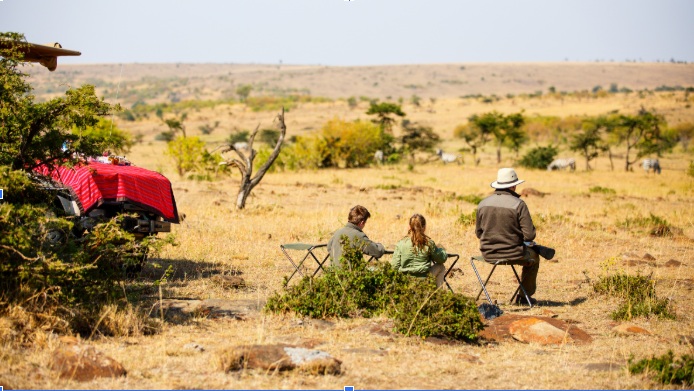
Age shouldn’t clip your wings when it comes to extraordinary journeys. Still, plenty of older travelers talk themselves out of that bucket-list safari, anxious about marathon flights, rattling game drives, or simply keeping pace with younger guests. Here’s the truth: when you plan thoughtfully, African safaris for seniors rank among life’s most fulfilling experiences. They’re unhurried, adaptable, and built around what works for you.
Research from Psychology Today shows regular travel cuts mortality risk by 36.6%, meaning this adventure delivers far more than jaw-dropping elephant encounters. This resource tackles genuine worries head-on: mobility considerations, managing prescriptions in remote areas, restroom logistics during long drives, and selecting camps that energize rather than drain you.
These practical African safari travel tips ensure you arrive confident and leave transformed. Understanding what separates truly senior-compatible safaris from glossy brochures matters. Now let’s construct your planning framework, beginning with locations where wildlife spectacle and genuine comfort coexist beautifully.
Senior-Ready Safari Planning Checklist (Safety + Comfort First)
Match your destination to actual fitness levels before you touch that booking button. Some parks spare you from endless bone-rattling rides.
Best time of year for comfortable African safari tours
Dry months (June through October for East Africa, May through September down south) push animals toward scarce water sources, dramatically improving sightings. But midday temperatures can punish seniors who struggle with heat. Consider shoulder seasons, late April through May and November, which bring milder weather, thinner crowds, and friendlier pricing. You’ll witness abundant wildlife minus the convoy traffic.
East Africa’s elevated areas maintain moderate temperatures year-round, whereas Southern Africa’s winter dawns demand layering but reward you with pristine viewing conditions. You’ve mapped destination, timing, and rhythm.
Next comes selecting accommodations and safari styles that convert those blueprints into tangible daily comfort, whether that means a private villa overlooking the plains, a mobile tented camp that follows the herds, or a thoughtfully designed family safari experience that balances adventure with comfort for all ages.
Best destinations for a senior-friendly African safari (by comfort level)
Planning a family safari that bridges generations, grandkids alongside grandparents? Tanzania’s Serengeti and Kenya’s Maasai Mara excel here, offering compact game drives and phenomenal animal concentrations that captivate every age bracket.
South Africa’s Kruger National Park and surrounding private reserves feature smooth paved routes plus upscale lodges positioned near wildlife corridors, dramatically reducing physical demands.
Botswana’s Okavango Delta blends water-based excursions with traditional drives, creating diversity without relentless jostling. Namibia’s stark desert terrain brings cooler, drier air, a godsend if humidity challenges you. Each choice delivers authentic sightings without sacrificing accessibility.
Trip length and pacing that prevent exhaustion
Most seniors thrive on seven to ten nights, sufficient time to truly decompress without living from a suitcase. Staying two nights minimum at each camp slashes transfer weariness and eliminates frantic wake-up calls. Schedule midday downtime when the sun peaks and wildlife rests anyway.
Those advertised night drives? Keep them genuinely optional. Skip activities guilt-free when your body requests rest. Including one “flex day” with zero planned outings allows recovery, particularly on extended itineraries. This rhythm safeguards stamina while preserving those magical sunrise moments you’re traveling for.
Choosing Comfortable African Safari Tours That Fit Seniors
Lodge quality literally determines how you’ll feel waking up each day. Certain details eclipse slick advertising every time.
Non-negotiable amenities for a safe African safari for seniors
Private bathrooms with grab rails, dependable hot water, and adequate nighttime illumination aren’t indulgences, they’re fundamental. Request ground-level accommodations positioned near dining facilities to cut down stairs and nocturnal navigation distances.
Verify lodges maintain solid medical frameworks: identified nearby clinic, airstrip for emergency evacuation, and staff certified in basic emergency response. Meal flexibility becomes crucial if you’re managing diabetes or require low-sodium options. Peaceful rooms distanced from generator hum improve sleep quality, which directly feeds tomorrow’s energy reserves.
Vehicle and guide standards that reduce strain
Open-air 4x4s maximize wildlife views but expose you to airborne dust and wind; enclosed vehicles shield you when conditions deteriorate. Padded high-back seating, assistance handles, and boarding steps convert marathon drives from endurance tests into manageable outings. Your guide’s patience and positioning instincts rival their ecological knowledge in importance, they should pause regularly for stretch breaks and modify routes as conditions demand.
Private vehicles command premium prices but grant precious flexibility: restroom stops happen on your timetable rather than group consensus, and you’ll dodge awkward seat rotations. Lodge and tour selections handle external comfort. Now let’s prepare your body properly, because intelligent medical planning separates tentative trips from fully confident adventures.
Health and Medical Preparation for African Safaris for Seniors
Health realities shouldn’t derail your plans, but ignoring them creates unnecessary risk. Solid preparation eliminates most hazards.
Pre-trip medical visit checklist (bring to your doctor)
Book this appointment six to eight weeks out. Secure fitness-to-travel clearance, especially with cardiovascular or circulation conditions affecting extended flights. Clarify which immunizations your destination mandates versus merely suggests. Review malaria prophylaxis options and possible side effects, certain medications trigger dizziness or nausea in older patients.
That same Psychology Today study notes regular travel “can lower Alzheimer’s risk by up to 47% through culturally enriching activities like museum visits, attending live music performances, and exploring historical landmarks”, your safari enriches cognition far beyond animal sightings. Develop a jet lag mitigation strategy, since timezone disruption intensifies with age.
Travel insurance that truly covers seniors
Countless standard policies exclude travelers past 65 or 75 years old (Wild Wings Safaris), so research thoroughly. Seek evacuation protection starting at $100,000 minimum, pre-existing condition coverage, and zero age restrictions. Scrutinize “remote location” language, some insurers restrict claims when you’re distant from major medical facilities, which describes virtually all safari camps.
Transport printed policy documents, emergency contact details, and a waterproof card documenting conditions plus current prescriptions. Medical readiness protects you throughout the safari itself, but arriving refreshed begins well before African soil, smart flight planning prevents exhaustion before adventures even start.
Packing for a Safe African Safari for Seniors (Comfort-First Kit)
Your packing choices directly influence daily well-being. Prepare for temperature extremes and extended vehicle time.
Senior comfort items that make a real difference
A lumbar support pillow revolutionizes uncomfortable truck seating. Compact neck pillows plus a lightweight throw help during chilly predawn drives when temperatures plummet. Refillable bottles with electrolyte powder prevent dehydration-triggered headaches. Include a headlamp featuring red-light settings for nighttime walking, camp pathways vary wildly in illumination.
Pack extra hearing aid batteries and backup eyeglasses; replacements don’t exist in isolated camps. Portable motion-activated LED lights help you safely navigate unfamiliar bathroom layouts after dark. Intelligent flight routing delivers you to Africa energized, but what fills your luggage determines whether you maintain comfort through dramatic temperature shifts, lengthy drives, and remote camp realities.
Final Thoughts on Planning Your Senior Safari
African safaris for seniors succeed spectacularly when you prioritize comfort unapologetically. The proper destination, honest pacing, quality accommodations, and medical foresight transform potentially intimidating logistics into profoundly meaningful adventures. You haven’t aged out of this, you simply need the appropriate framework.
Armed with these African safari travel tips, you’ll invest less energy on worry and more time witnessing elephants silhouetted against African sunsets.
FAQs
1. What I wish I knew before the safari?
Pack doubles the layers you initially consider, mornings begin surprisingly cold regardless of season. Every game drive yields distinct encounters, so resist skipping “optional” outings. You’ll appreciate downtime at camp between excursions. Quality cameras capture subtleties binoculars overlook. Most critically, pre-departure anxiety wastes precious energy; once you’re there, everything unfolds naturally when you’ve planned well.
2. How do you go to the bathroom on an African safari?
You’ll access lodge or camp facilities (standard flush toilets, typically en-suite), park rest areas at entry points, and designated picnic spots, and supervised “bush” stops when distant from infrastructure. Your guide identifies and secures safe locations, and the vehicle provides privacy screening. Experienced guides anticipate this necessity and route accordingly.

