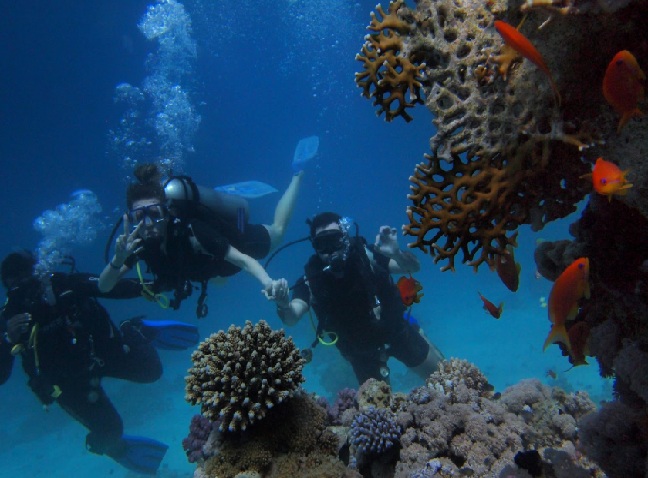
The Galápagos sits where big ocean forces collide. Cold upwellings, warm surface flows, and shifting currents load the water with nutrients, turning the archipelago into a wildlife magnet. A Galapagos diving liveaboard trip lets you stay out on the best sites long enough to catch the action when it happens, not just when the day boat schedule allows. And if you’re doing a liveaboard in Galapagos, you’re signing up for a week where the ship is your hotel, your dive shop, and your only convenience store.
That last part is why preparation feels different here. On a land-based holiday, you can patch gaps as you go. On a liveaboard, you can’t. Once you clear port and the route starts threading through remote islands and open Pacific water, you’re working with what you packed and what the boat carries. If you forgot a spare battery, a warm layer, or a document the crew needs at check-in, you don’t “pop out” to fix it. You just live with the consequences.
This guide is built as a practical packing strategy, not a vague reminder to “bring your gear.” It focuses on what keeps you safe in current, warm through thermoclines, comfortable on deck, and ready to dive multiple days in a row without missing time for avoidable reasons.
Essential Scuba Gear and Technical Equipment
Galápagos dives can be straightforward in terms of depth, but the environment adds pressure in other ways. Current can run hard, entries are often quick from small tenders, and it’s common to feel a temperature drop mid-water when you hit a thermocline. Thermal protection is not optional. Many divers are comfortable in a 7mm wetsuit with a hood and gloves, and some bring a drysuit if they know they get cold easily. Either way, plan for cold water moments even if the surface feels mild.
Safety gear needs to match the realities of the open ocean. A surface marker buoy and an audible signal are standard for drift diving, but in the Galápagos, they’re also your backup plan if you surface away from the panga. Many operators strongly recommend, and some effectively require, a personal locator such as a Nautilus-style marine rescue GPS/AIS device, because conditions can quickly separate a diver from the group. On a liveaboard in Galapagos, those tools can shorten a pickup from “search” to “straight line.”
Bring the core kit you trust. If you’re traveling with your own regulator and BCD, service them within the last year and test everything before you fly. Cold water and repetitive diving are a good way to expose minor issues. A reliable dive computer matters too, especially if Nitrox is in play and you’re doing multiple dives per day. If you rent any major pieces, confirm what the operator supplies, and do a full check on day one, not right before the first drop.
The Definitive Galapagos Liveaboard Packing List
This section is the checklist you’ll actually use while packing. It combines diving essentials, safety items, and small personal gear that make boat life easier. Keep it practical: if it doesn’t protect your safety, comfort, or dive time, it probably doesn’t deserve precious luggage space.
· C-cards and Nitrox certification (required for most Galapagos itineraries).
· Dive computer with a spare battery.
· 7mm wetsuit, hood, and boots for cold upwellings.
· Surface Marker Buoy (SMB) and whistle.
· Regulator and BCD (serviced within the last year).
· High-quality mask and a backup mask.
· Seasickness patches or tablets (e.g., Scopolamine or Meclizine).
· Reef-safe sunscreen and polarized sunglasses.
· Light jacket or fleece for cool evenings at sea.
· Universal power adapter and multi-plug strip for charging cameras.
A few add-ons can save a surprising amount of stress: spare fin straps if your model uses them, a basic save-a-dive kit, a handful of zip ties, and a small roll of electrical tape. None of it is glamorous, and all of it becomes valuable when something tiny breaks in the middle of nowhere. Also, keep critical items in your carry-on: passport, certification cards, computer, and your primary mask.
Clothing and Personal Essentials for Life at Sea
Boat life is simple and repetitive in the best way. You wake up, you dive, you rinse gear, you eat, and you do it again. Clothing should fit that rhythm. Think quick-dry shorts, a couple of t-shirts, swimwear, and one or two long-sleeve sun shirts if you burn easily. Nobody cares about fashion on deck. They care about being warm enough and not slipping.
Wind is what surprises people. Even when the air temperature feels fine, a damp diver sitting in the breeze during a transit can get chilled fast. A light jacket or wind shell is worth bringing, and a thin fleece can be the difference between enjoying a sunset briefing and shivering through it. For your feet, choose something with traction. Wet stairs and camera tables don’t forgive smooth soles.
For hygiene, keep it low-impact. Biodegradable soap and shampoo are a smart choice when you’re visiting a place that’s serious about protecting its ecosystems. Bring lip balm, a simple moisturizer for salt-dried skin, and any personal items you can’t easily replace at sea. People on diving liveaboards in Galapagos tend to pack for function first, and you’ll understand why by the second day.
Capturing the Magic: Underwater Photography Gear
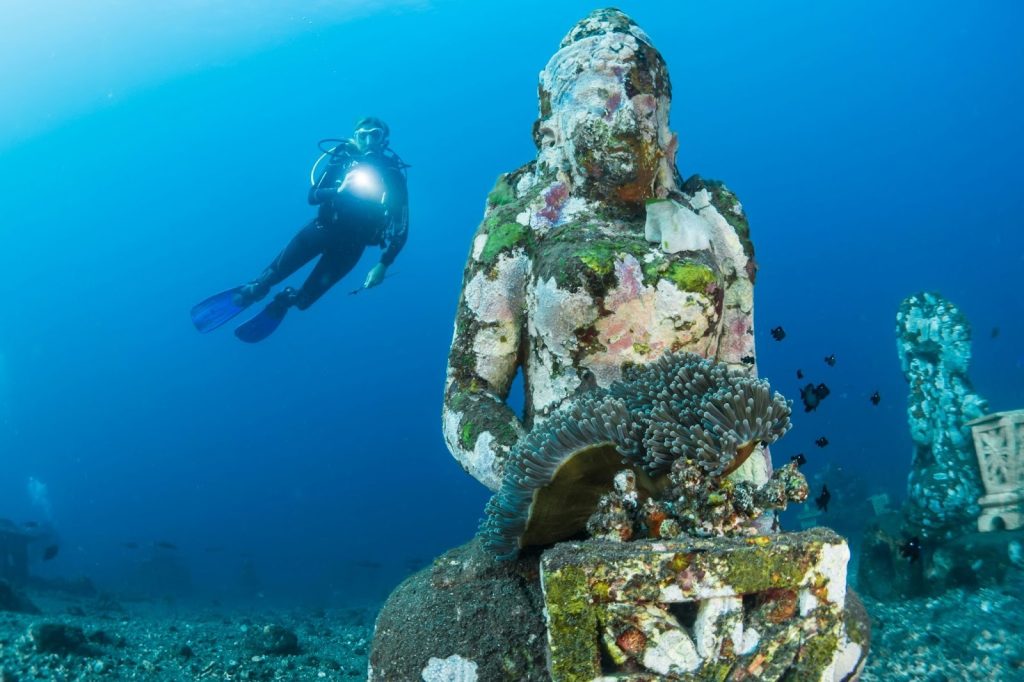
The Galápagos rewards anyone who brings a camera, even a modest one. Schools of hammerheads can turn a dive into a moving wall, and sea lions show up close enough that even a small action camera can capture real character. If you’re bringing dedicated housing, plan like you’re going remote, because you are. The “one missing part” problem is real on a liveaboard.
Pack maintenance items that match your gear: spare O-rings, silicone grease, and the tiny tool you always end up needing. Memory is the next bottleneck. Video and RAW photos fill cards quickly, so bring multiple cards and treat them like spare masks: as insurance. Many divers like an external SSD for daily backups, because a single laptop crash can wipe out a week’s worth of work. Also pack every charging cable you need, plus one spare if the cable is proprietary.
Currents and surges also change how you shoot. Large rigs can be tiring if you’re fighting water movement, and tired hands lead to mistakes. Be honest about what you can handle for several dives per day. A compact setup often produces better results simply because it stays stable. Space is limited on liveaboard boats in Galapagos, so pack gear that earns its footprint, and secure it well so it doesn’t slide when the sea gets lumpy.
Health, Safety, and Documentation
Start with insurance and paperwork, because it’s what can stop you from diving before you even touch the water. Many operators expect proof of dive accident coverage, and DAN is the best-known option for a reason: it’s built around diving emergencies, not generic travel fine print. Keep your policy details on your phone and in writing, and make sure your emergency contacts are up to date.
The physical demands add up quietly. Even if you’re not going deep, you’re doing repetitive dives in current, often after early mornings. Hydrate more than you think you need, especially if you drink coffee and spend time in the wind and sun. Electrolytes can help if you like them, and sleep matters more than most people admit. You don’t want to be dragging yourself through briefings by day three.
For entry logistics, carry both digital and printed copies of your passport, flights, and any required travel documents. Visitors also need the Galápagos Transit Control Card, and the process has shifted toward online registration, so handle it before travel day. The smoother your admin is, the more your liveaboard dive trips in Galapagos feel like a trip, not a paperwork exercise. Add a compact first-aid kit for maritime reality: blister care, antiseptic wipes, basic pain relief, and any personal medication.
Finally, check your diving prerequisites. Some itineraries expect experience beyond entry-level certification, and many run Nitrox as the default gas for repetitive schedules. If your plan is liveaboard diving in Galapagos, show up ready to analyze tanks, log mixes, and follow the boat’s routine without improvising your own rules.
Why liveaboard in Galapagos Logistics Change Everything
Land-based diving can be great, but a liveaboard changes the math. You sleep closer to the remote sites, you cut long commutes, and you get more chances when timing is right. The trade-off is that you’re living in a closed loop. If something breaks and you didn’t bring a spare, you’re now negotiating for borrowed gear, and that’s never ideal.
This is also why planning saves money. When you’re comparing Galapagos liveaboards, look beyond cabin photos and check what’s included: tanks and weights, Nitrox availability, rental gear quality, and whether guests are expected to carry personal safety gear like an SMB and audible signal. In a strong current, those details are not “optional extras.” They’re the baseline.
It helps the whole boat when everyone arrives prepared. The crew can focus on safety and smooth operations instead of solving avoidable problems. And you get to spend your energy on the good stuff: watching current lines, reading animal behavior, and enjoying a week that feels like real exploration.
Conclusion
Packing well for the Galápagos isn’t about bringing more. It’s about bringing the right things, in a way that keeps you warm, safe, and comfortable for a full week of early mornings and salty gear rinses. When your kit is sorted, you stop thinking about logistics and start paying attention to the ocean.
That’s when the trip delivers what you came for. One dive is swirling current and a wall of fish. The next is sea lions twisting around you like they’re performing. Those moments land harder when you aren’t distracted by cold hands, missing documents, or a dead camera battery you could have avoided.
Use the checklist, then tailor it to your body and your habits. If you get cold, go warmer. If you get seasick, treat it early and consistently. And if this is your first Galapagos scuba liveaboard, ask your operator about their specific rules on safety gear and documentation so there are no surprises at check-in.
You’re heading into open water that still feels wild. Respect it, prepare for it, and enjoy it. liveaboard in Galapagos

