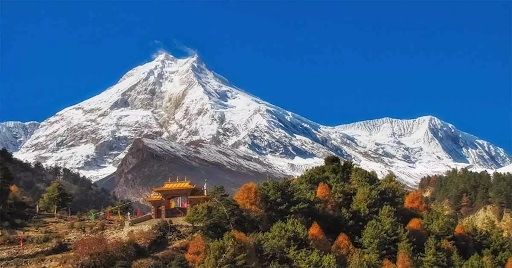
Among the adventure destinations found across the world, the Himalayas stand out for their amazing variety of journeys and experiences based on the adventurer’s objectives and capabilities. Trekking and climbing are among the most common and popular ways to explore these iconic destinations. While both promise an incredible experience in a high altitude setting they differ widely in terms of difficulty, skill sets needed, and overall objective.
Trekking journeys are the most accessible way to experience the Himalayas. This includes trails such as the Manaslu Circuit Trek, Tsum Valley Trek etc allow adventurers to explore Himalayan valleys, villages, forests, and mountain passes. Unlike mountain climbs that involve high skill requirements, trekkers travel in a slow and steady manner with emphasis on getting acclimatized and viewing the sights.
This type of adventure is designed to be challenging yet achievable for fit adventurers who wish to explore the Himalayas by walking through them and appreciating their beauty and culture at the same time.
On the other hand, summiting challenges is considered the toughest form of adventure that can be experienced in the Himalayas. This involves expeditions such as climbing Mount Ama Dablam, Everest, Manaslu and more. They require you to be highly skilled in technical mountaineering due to extreme height exposure above 8,000 meters and entail unpredictable weather and reduced oxygen supply.
Both trekking and climbing provide the full range of Himalayan adventure experiences; one includes the aspects of exploring and understanding culture and scenery, whereas the other entails adventure, perfection, and reaching summits.
What is Trekking in the Himalayas?
The best way to travel around the Himalayan Mountains is trekking which involves walking for a considerable distance following well established trails. You will walk through various terrains such as valleys, forests, rivers and villages without necessarily using mountaineering tools and techniques. Anyone willing to hike can participate because trekking requires no special knowledge of mountaineering but just general fitness levels.
Among the famous trails are the Everest Base Camp Trek, the Manaslu Circuit Trek, the Annapurna Circuit Trek, and the Langtang Valley Trek, among others. They present magnificent views of the white capped Himalayan mountains as well as chances to interact with local people and learn about their traditional way of life.
While trekking in the Himalayas does not require as much physical and mental readiness as mountaineering it still demands some level of training and planning.
One of the most significant features of Himalayan trekking is the slow pace. This will help you get acclimatized to the altitude thereby ensuring safety and preventing issues like altitude sickness. Thus, trekking should not be viewed only in terms of a destination but rather as a process where you can enjoy all the aspects of the journey.
What is Mountain Climbing?
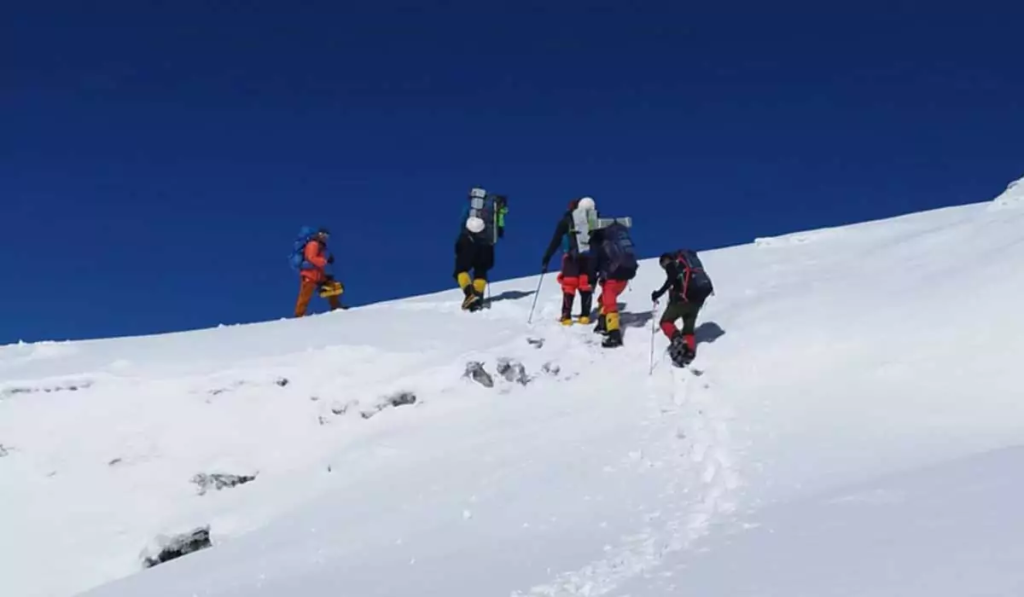
Climbing mountains in the Himalayan range is a challenging form of adventure characterized by the ascent of some of the highest and toughest mountain peaks in the world. This kind of adventure differs from trekking in the sense that it demands special skill, equipment, and training to achieve.
Mountain climbers face very difficult and harsh environmental conditions such as icy walls, glaciers and freezing temperatures. It is also characterized by the gradual climb on mountain rocks and walls.
Some famous mountain expeditions in the Nepal Himalayas are Mount Everest Expedition, Ama Dablam Expedition, Manaslu Expedition and others. Climbing these mountain peaks requires a lot of preparation and physical fitness, in addition to the necessary skills and equipment. You need to be trained for using the various mountaineering tools and a strong mental state to face and deal with the difficult high altitude conditions.
When the elevation is extremely high, like above 8,000 meters, the oxygen deficiency may impact the body. Even though there are several risks involved, reaching the top remains the final objective of mountaineering, which signifies success, determination, and conquering a daunting challenge presented by nature.
Trekking vs. Climbing: Key Differences
The difference between trekking and mountaineering in the Himalayan region is fairly large particularly in terms of goals and challenges faced. While trekking includes exploration of valleys and mountainsides, climbing is an effort to reach the peak of the mountain. Trekking is characterized by the experience of the culture and beauty of nature whereas climbing is an intense challenge of surviving in extreme conditions.
The levels of preparation and skill involved in these activities are different. Climbing requires advanced training in mountaineering and survival techniques. Trekking only needs basic skills and preparation for long walking days at altitude. Moreover, climbing is characterized by high risks related to avalanches, oxygen deprivation and other aspects of being at a very high altitude.
The choice between the two depends on individual objectives, physical ability, and risk-taking capabilities. People looking for an experience that would allow them to travel through the natural, cultural and scenic beauty of the Himalayas might consider trekking. On the other hand, individuals who seek to engage in an extreme challenge, technical difficulty, and the goal of reaching a summit may choose climbing.

