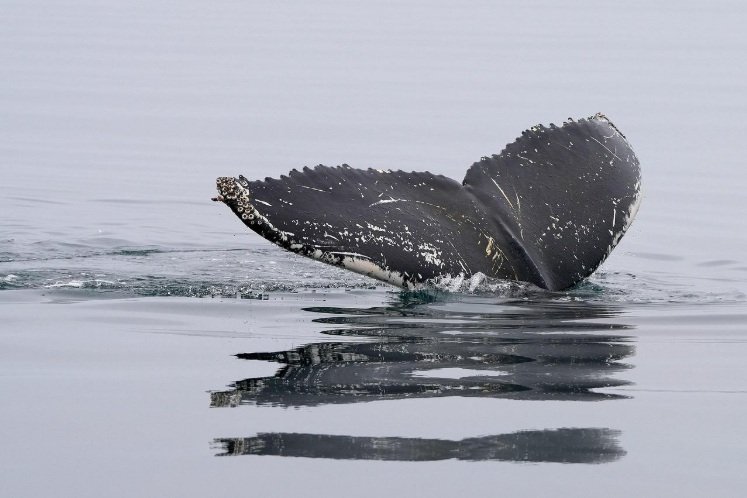
There are wildlife encounters that feel exciting for a few minutes. Then there are the ones that completely change your sense of scale.
Swimming near humpback whales sits firmly in the second category. Even experienced divers often describe the first encounter as strangely quiet and almost slow-motion. One moment the ocean feels empty, then suddenly a 40-ton whale appears out of the blue water with a calmness that’s difficult to explain properly.
The challenge is choosing where to go. Humpback whale diving experiences vary enormously depending on the season, visibility, regulations, and how tours are managed locally. Some destinations focus on snorkeling with mothers and calves in calm lagoons, while others involve offshore expeditions in rougher water.
Here are some of the best places around the world for diving and in-water encounters with humpback whales, along with realistic expectations on cost, conditions, and timing.
French Polynesia
French Polynesia consistently ranks among the most reliable destinations for swimming with humpback whales. The combination of warm water, excellent visibility, and strict encounter rules creates a calmer experience than many travelers expect.
Most encounters happen around Moorea and Tahiti between July and October. Mothers often rest in shallow protected waters with calves, which can lead to surprisingly long sightings.
This is primarily a snorkeling destination rather than a technical diving trip. Operators usually keep swimmers near the surface because humpbacks surface frequently and visibility is often exceptional anyway.
What makes French Polynesia stand out is the atmosphere. Trips tend to feel slower and less crowded compared with some larger whale tourism destinations.
Best for
- First-time whale encounters
- Underwater photography
- Calm water conditions
- Couples and mixed-experience travelers
Budget expectations
French Polynesia is expensive overall. Accommodation, inter-island flights, and tours add up quickly. But many travelers find the quality of the experience justifies the cost.
Tonga
Tonga has developed a strong reputation among marine wildlife travelers because regulations here are relatively strict and encounters can feel remarkably intimate.
The Vava’u island group is the main base for humpback whale trips between July and October. Unlike destinations with heavy boat traffic, Tonga still feels comparatively low-volume. That changes the overall mood of the experience quite a bit.
Visibility is usually very good, and the warm water makes long sessions in the ocean more comfortable.
One thing worth knowing: whale encounters are never guaranteed on demand. Some days involve hours of searching. Travelers who enjoy wildlife experiences generally accept that unpredictability as part of the appeal.
Best for
- Repeat whale travelers
- Smaller-group experiences
- Natural, less commercialized encounters
Budget expectations
Tonga is more affordable than French Polynesia in some areas, though flights can be costly depending on your departure point.
Dominican Republic — Silver Bank
Silver Bank is one of the more serious humpback whale expeditions on this list.
Located far offshore in the Dominican Republic, this marine sanctuary attracts large numbers of humpbacks during the breeding season from January to April. Trips are typically conducted via liveaboards rather than day boats.
Conditions can be rougher than tropical lagoon destinations, but the payoff can be extraordinary. Large groups of whales, active surface behavior, and singing males are all possible here.
Because of environmental protections, in-water interactions are controlled carefully. Operators generally focus on respectful observation rather than chasing encounters.
Best for
- Experienced marine wildlife travelers
- Liveaboard fans
- Travelers prioritizing whale activity over resort comfort
Budget expectations
Trips are expensive upfront, but liveaboards usually include meals and accommodation, making costs easier to predict.
Mozambique
Mozambique offers a very different type of humpback whale diving experience.
Rather than calm snorkeling-focused encounters, this destination appeals more to active divers who want to combine whale encounters with reef diving, manta rays, and larger marine life.
Tofo Beach is one of the best-known areas for humpback sightings between June and October. Encounters can happen during ordinary dive trips, which adds a sense of unpredictability that many divers enjoy.
Conditions here are sometimes more challenging. Currents, surge, and ocean swell are common. It is not necessarily the easiest destination for nervous beginners.
Still, for divers wanting variety rather than a dedicated whale-only trip, Mozambique offers strong value.
Best for
- Certified divers
- Combined marine wildlife trips
- More adventurous travel styles
Budget expectations
Mozambique can be surprisingly affordable once you arrive, especially compared with Pacific island destinations.
Australia
Australia offers several humpback whale encounter destinations, though Ningaloo Reef in Western Australia tends to attract the most attention.
The season generally runs from August to October, when migrating whales pass through warmer coastal waters.
The overall tourism infrastructure here is excellent. That makes Australia one of the easier places to organize a whale-focused trip without complicated logistics.
Ningaloo also works particularly well for travelers who want more than one marine experience in the same holiday. Whale sharks, coral reefs, and manta rays are all part of the broader appeal.
Best for
- Multi-activity marine holidays
- Comfortable logistics
- Families and mixed-experience groups
Budget expectations
Australia is not cheap, but self-drive travel and apartment accommodation can help reduce costs compared with fully packaged tours.
Norway
Norway is completely different from the tropical destinations above.
Here, humpback whales gather in cold Arctic waters alongside orcas during the herring migration season, typically between October and January.
The scenery alone changes the experience entirely. Snow-covered mountains, short daylight hours, and dark northern waters create something that feels far more dramatic and expedition-like.
This is not the place for relaxed floating in warm lagoons. Water temperatures are cold, conditions change quickly, and drysuit experience is often recommended.
But for experienced divers and photographers, Norway can be unforgettable.
Best for
- Cold-water divers
- Expedition-style travel
- Underwater photographers
Budget expectations
Norway is expensive, particularly for accommodation and transport. Booking early helps considerably.
How to choose the right humpback whale destination
The best destination depends less on “which is best” and more on what type of experience you actually want.
If you want calm water and easier snorkeling conditions, French Polynesia and Tonga are usually safer choices.
If you prefer active diving holidays with broader marine life encounters, Mozambique or Australia may suit you better.
And if you want something that feels more like a serious wildlife expedition, Silver Bank or Arctic Norway stand out immediately.
It is also worth paying attention to local wildlife regulations. Destinations with stricter encounter limits often create better long-term experiences both for travelers and the whales themselves.
Practical tips before booking
A few things are worth planning carefully before committing to a humpback whale diving trip:
- Book around migration seasons rather than general weather
- Allow buffer days in case ocean conditions change
- Choose smaller operators when possible
- Bring seasickness medication if using liveaboards
- Don’t expect constant in-water interaction every day
Wildlife trips rarely follow a script. Ironically, that unpredictability is often what makes the best encounters memorable.
Final thoughts
Humpback whale diving is one of those travel experiences that tends to stay with people long after the flight home.
Not because the encounters are dramatic every second. In fact, many are surprisingly quiet. A slow pass beneath the surface. A distant whale song. A mother and calf resting below the boat.
Choosing the right destination matters because the experience changes so much depending on the environment, regulations, and style of travel.
Some travelers will prefer the warm lagoons of French Polynesia. Others may want rougher expedition waters in Norway or Silver Bank.
Either way, planning carefully — especially around seasonality and operator quality — usually makes a far bigger difference than chasing the cheapest possible trip.
