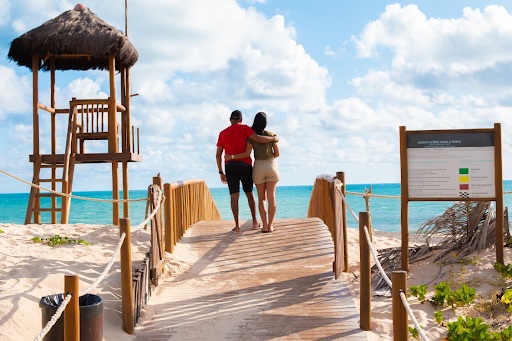
Do you dream of traveling abroad with zero safety concerns?
Millions do. Every year, millions of people book accommodations abroad without giving safety a second thought. Some have great experiences because of it. Others come home in horror.
Let’s talk about the latter group.
Unless you want to end up surprised by unexpected danger…
…it pays to know the safest and riskiest travel destinations around. And with travel-related risk alerts rising 15% from 2024 to 2025, being able to spot risks before they find you is more important than ever.
Luckily for you, we have compiled a complete guide to everything you need to know.
Before you book that flight ticket and hotel room.
Here’s what we’ll cover:
- Why you should research destination safety
- Safety factors when choosing accommodations
- Red flags you should avoid
- Booking strategies that keep you safe
Why You Should Research Destination Safety
Before booking a stay abroad, there are important factors to consider.
Namely, how safe your personal safety will be while visiting a certain country or city.
When choosing accommodations abroad, savvy travelers review the safest countries to travel before scrolling through hotels.
Many things can impact your personal safety when traveling abroad – from crime rates and health risks to unfavorable weather conditions and natural disasters.
That’s why the United States State Department provides travel advisories based on current risks for every country in the world.
And you should check them before booking that dream vacation too.
Safety Factors When Choosing Accommodations
Accommodations have different safety levels.
Use these factors to help determine where you should and shouldn’t book your next stay.
Location Within City
Neighborhood matters.
Yes, even when traveling to countries that rank low on the list of dangerous travel destinations. Some areas of cities are much safer than others.
Typically, tourist areas are safer because they have increased police patrol and infrastructure. But that doesn’t mean these areas don’t have theft crimes.
Study the neighborhood your accommodation is located in by:
- Reading travel forums for that city
- Looking up crime statistics and reviews
- Browsing street view images on Google Maps
- Checking public transportation and evacuation routes
Security Features
If you’re staying at a hotel or hostel, security features should be evident.
24-hour front desk, secure entryway, in-room safes, and well-lit hallways are a few things to look for when researching safety.
Props to accommodations that have security cameras and roaming staff at night too.
Tip: Avoid booking ground-floor rooms and rooms located near staircases.
These rooms are at higher risk for break-ins.
Reviews and Reputation
Safety stories come up a lot in online reviews.
If an accommodation has recent reviews mentioning theft or safety concerns with the surrounding area, move on to the next listing.
Warning signs should never be ignored on properties.
Give extra attention to reviews written by solo travelers and women. They typically offer better insight on safety.
Red Flags When Booking Abroad
These are big red flags when it comes to accommodation safety.
Avoid bookings that:
Are Too Good To Be True
If the price is too cheap for the area, there’s probably a problem.
Many unsafe accommodations in popular tourist locations list their rooms for ridiculously cheap prices on vacation rental websites.
This can also indicate fraud.
Provides Vague Location Info
If the accommodation doesn’t provide an exact address, that’s a red flag.
Be cautious of listings that say “near the city center” or “5-minute walk to the palace.”
These listings usually hide in less desirable locations.
Doesn’t Have Verifiable Contact Info
If you can’t find the property online and/or can’t easily contact the owner before booking, don’t book.
What happens if there’s an emergency and you can’t contact them?
Stay away from accommodations that cannot be reached.
Booking Strategies That Keep You Safe
Picking the safest travel destination and accommodation is only half the battle of staying safe when traveling abroad.
Implement these strategies when booking to keep yourself safe (and stress-free).
Use Trusted Booking Websites
Big-name booking websites like Booking.com have protections in place to ensure travelers don’t get scammed.
Plus, they offer assistance when things go wrong. Bookings made through personal websites or via bank wire transactions are difficult to trace if fraud occurs.
Opt for websites that verify accommodations before listing them.
Invest in Travel Insurance
A recent survey found that 54% of travelers are most worried about falling ill while abroad.
Travel insurance plans cover medical emergencies, trip cancellations, and emergency evacuations.
Don’t travel without it.
Falling sick while traveling abroad is no walk in the park. Not only is it a scary and uncomfortable experience, but it can also put a huge dent in your wallet.
Countries like the United States have some of the highest medical care costs in the world. That’s why we recommend investing in travel insurance before traveling abroad.
Register With Smart Traveler Programs
The U.S. has a program called Smart Traveler Enrollment Program (or STEP). When signing up, travelers receive updates about safety conditions and can be located by family during emergencies.
Other countries have something similar.
Register with your country’s travel registry before booking that flight ticket.
Share Your Itinerary With Family/Friends
Email copies of your booking confirmations, passport copies, and contact information with someone you trust back home.
During an emergency, local authorities and your loved ones will need this information to help you.
Know Local Emergency Hotlines
Know how to contact local police, ambulance, and your country’s nearest embassy.
Emergency hotlines change depending on where you travel. Write them down.
Conclusion
The world is your oyster. Travel as much as your heart desires.
But don’t book that dream vacation until you’ve done your research.
Knowing the safest and riskiest travel destinations is just the start.
Use this guide to know what to look for when booking accommodations abroad and learn how to spot scams before they happen to you.
Remember, the world’s safest countries can change as travel risks are dependent on current events, local political climates, and seasons.
Stay aware. Stay safe. And happy travels!
FAQs
How can you tell if a travel destination is safe?
Check out the U.S. State Department travel advisory page. You can cross-reference with news outlets and traveler reviews for up-to-date conditions.
What makes an accommodation safe when traveling?
Look for 24-hour security, secure entryways, and individual room safes. Always read reviews to determine how safe tourists feel staying at the property.
Should I buy travel insurance when going abroad?
Yes! Medical emergencies, trip cancellations, and evacuations are all covered by travel insurance. If you don’t have travel insurance, getting sick in a foreign country will cost you.
How far in advance should I research destination safety?
Ideally, two to three months before your trip. However, you should also look a week before your trip as safety conditions can change.

